
Why Do My Joints Hurt When It Is Cold Outside?
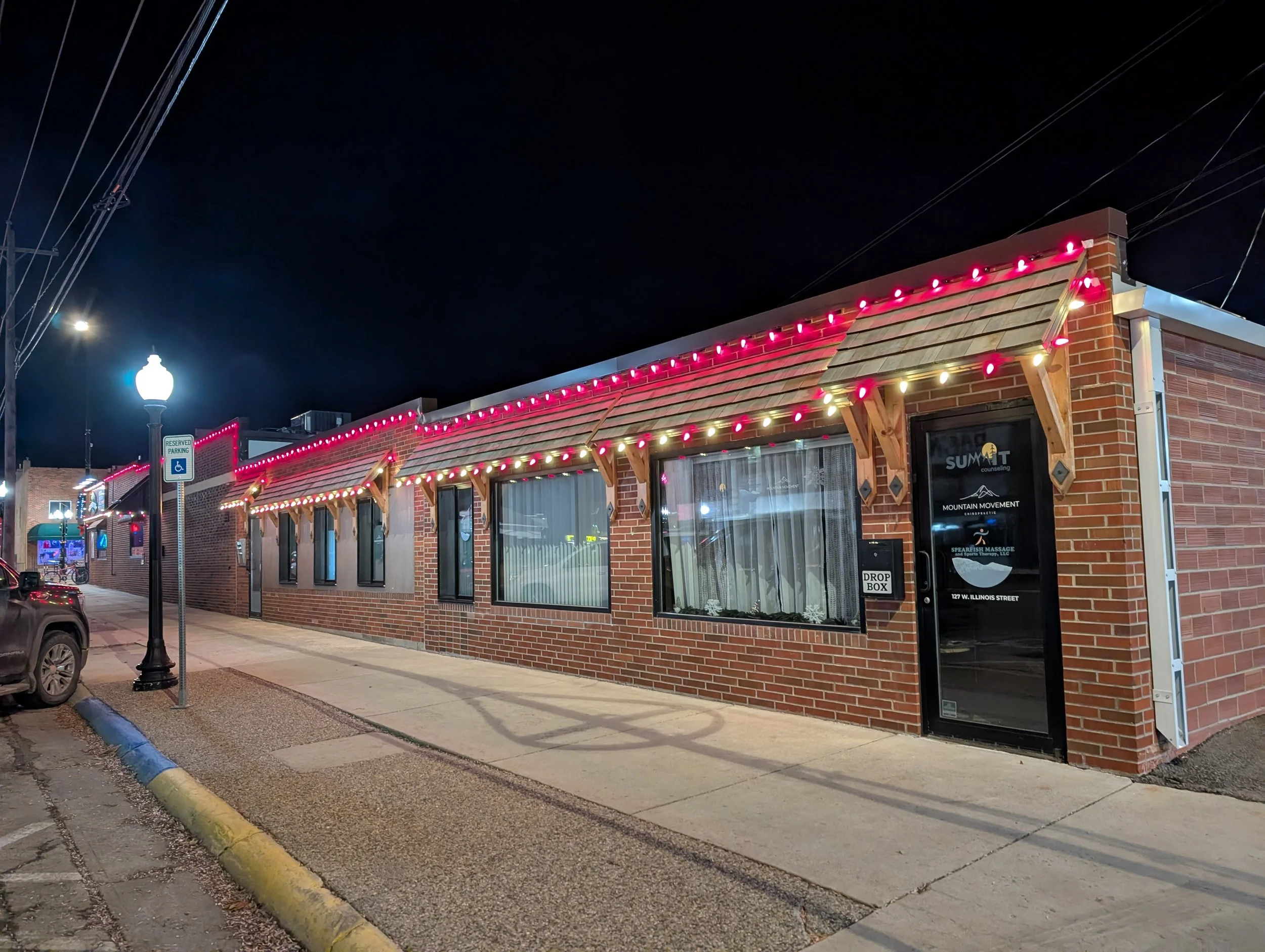
Every fall and winter, I hear the same question from patients at Mountain Movement Chiropractic. “Why do my joints hurt more when it is cold outside?” For many people, colder weather brings more stiffness, more soreness, and more flare ups in old injuries. If you notice your knees, hips, back, or hands feeling tighter when the temperature drops, you are not imagining it. Cold weather can have a real impact on how your joints feel.
How Cold Weather Affects Your Joints
When the temperature drops, your body responds in several ways that can make joints feel stiff or achy. Cold air causes the tissues around your joints to tighten, reducing flexibility and making movement feel more restricted. Blood vessels also constrict in low temperatures, which slows circulation to your muscles and connective tissue. Less warmth means less fluid movement, and joints rely on that fluid to glide smoothly.
For people with arthritis or previous injuries, these changes can be even more noticeable. Joints that already have some inflammation or wear and tear tend to react more strongly to the cold, which is why winter often brings more discomfort than summer.
The Role of Barometric Pressure
It is not just temperature that affects joint pain. Barometric pressure often drops before cold weather or storms roll in. When pressure decreases, the tissues in your joints can expand slightly. For someone with sensitive joints, even small changes in pressure can create noticeable stiffness or discomfort.
This is why some people say they can “feel” a change in weather coming before it arrives. Their joints react to the shift in pressure long before the temperature drops.
Why Old Injuries Feel Worse in the Winter
If you have an old sprain, strain, or fracture, you might notice that area hurts more in cold weather. Injured tissues do not always return to their original flexibility, and colder temperatures highlight those limitations. The muscles around old injuries often work harder to compensate, and when the cold stiffens them even more, the discomfort becomes easier to notice.
How Chiropractic Care Helps in Cold Weather
Chiropractic care can make a big difference when cold weather affects your joints. Adjustments restore healthy motion to the spine and extremities, reducing the stiffness that cold temperatures exaggerate. Better joint movement improves circulation, helps balance muscular tension, and keeps your body functioning the way it should even when the weather is working against you.
Many patients tell me that their winter joint pain decreases significantly when they stay consistent with treatment. Movement based care keeps the joints flexible, the muscles active, and the nervous system functioning at its best.
What You Can Do at Home to Feel Better
You can support your joints through winter with a few simple habits. Light morning movement helps warm the tissues that feel stiff after a cold night. Staying hydrated keeps your joint fluid healthy. Wearing layers, especially around knees and hips, helps maintain warmth and reduce tightness. Even short daily walks make a big difference in how your joints handle the colder weather.
Small adjustments like using a heating pad before activity or stretching gently before bed can also reduce the impact of temperature changes.
You Do Not Have to Struggle Through Winter
Cold weather might make joint pain more common, but it does not need to control your day. With chiropractic care and a few simple habits, you can stay active, flexible, and comfortable all winter long.
If your joints are feeling stiffer or more painful as the temperature drops, we are here to help you feel better and move better.
📍 Mountain Movement Chiropractic – Spearfish, SD
📅 Schedule an Appointment Today!