
Why Stretching Alone Isn’t Fixing Your Pain
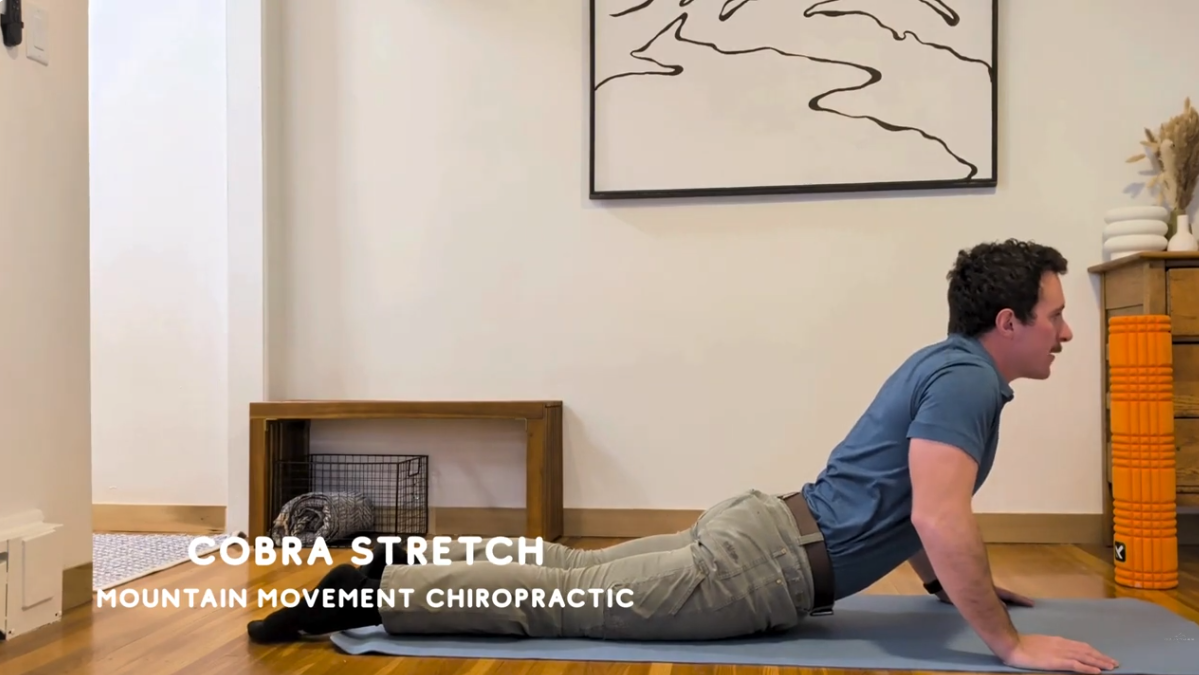
Stretching is often the first thing people try when they are in pain. Tight neck, sore back, achy hips, stiff shoulders. Stretching feels like it should be the answer. Many patients come into Mountain Movement Chiropractic saying they stretch every day but still feel stiff, sore, or limited. If that sounds familiar, you are not doing anything wrong. Stretching helps, but for many people, it is not enough to fully resolve pain.
Understanding why stretching alone does not fix pain can help you move forward more effectively.
Why Stretching Feels Good but Does Not Always Last
Stretching temporarily reduces muscle tension and increases blood flow, which is why it feels good in the moment. Muscles relax, joints feel looser, and movement improves briefly. The problem is that stretching does not address why the muscle became tight in the first place.
In many cases, muscles tighten to protect joints that are not moving well. If a joint lacks proper motion, the surrounding muscles stiffen to provide stability. Stretching those muscles without restoring joint motion often leads to temporary relief followed by the same tightness returning.
Pain Is Often a Movement Problem, Not a Flexibility Problem
Many pain patterns are driven by restricted joint movement, poor coordination, or altered movement habits rather than short muscles. If a joint is not moving through its full range, your body compensates elsewhere. Over time, these compensations create pain, stiffness, and fatigue.
Stretching alone does not restore joint motion or improve how your nervous system controls movement. This is why people can be flexible and still be in pain, or feel stiff even when their muscles are not truly short.
Why Stretching Sometimes Makes Things Worse
In some cases, aggressive or excessive stretching can actually irritate sensitive tissues. Stretching a muscle that is already overworking to stabilize a joint can increase soreness instead of relieving it. This often happens in the neck, low back, and hips.
Pain that worsens after stretching is a sign that something else needs to be addressed first. The body is asking for better movement, not more force.
What Needs to Happen Instead
Lasting pain relief usually requires improving joint motion, restoring proper movement patterns, and then supporting those changes with appropriate strength and mobility work. When joints move the way they should, muscles no longer have to guard or overcompensate.
This approach allows stretching to become effective again. Once the underlying movement issue is addressed, stretching helps maintain flexibility rather than chasing symptoms.
How Chiropractic Care Fits In
Chiropractic care focuses on restoring healthy joint motion so your body can move efficiently. When joints move better, muscles relax naturally, and stretching becomes a useful tool instead of a temporary fix.
At Mountain Movement Chiropractic, care is movement based and tailored to how your body functions as a whole. We look at how joints move, how muscles respond, and how your symptoms change with movement. This helps address the root cause of pain rather than just the sensation of tightness.
Stretching Still Matters, Just Not Alone
Stretching is not useless. It is simply incomplete on its own. When combined with proper joint motion, movement retraining, and strength, stretching becomes part of a long term solution instead of a short term relief strategy.
If stretching has not been fixing your pain, it may be time to look at what your body actually needs.
📍 Mountain Movement Chiropractic – Spearfish, SD
📅 Schedule an Appointment Today!