
Can Shockwave Therapy Help Frozen Shoulder?
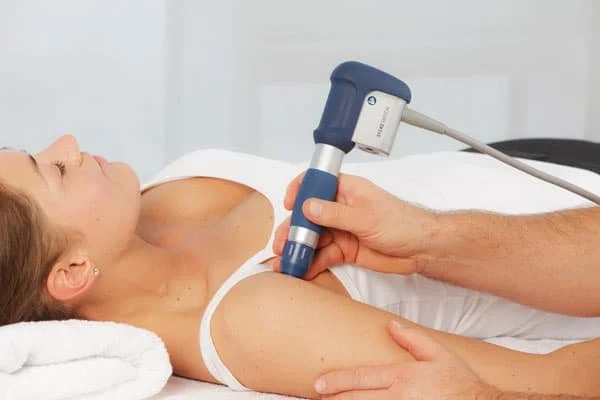
Frozen shoulder can be one of the most frustrating shoulder problems to deal with. It does not just hurt. It limits how you move, how you sleep, how you get dressed, and how confidently you use your arm throughout the day. Many people describe it as feeling like their shoulder is stuck, locked down, or simply not willing to move no matter how much they stretch.
At Mountain Movement Chiropractic, we have seen shockwave therapy make a meaningful difference for patients dealing with stubborn shoulder stiffness. It is not a magic wand, and it is not meant to replace movement, adjustments, or therapeutic exercise. But when it is used at the right time and on the right tissues, shockwave therapy can be a powerful tool to help restore motion and improve quality of life.
What Is Frozen Shoulder?
Frozen shoulder, also called adhesive capsulitis, is a condition where the shoulder becomes painful and progressively loses range of motion. It can make everyday tasks difficult, such as reaching overhead, putting on a jacket, fastening a bra, reaching behind your back, or sleeping on the affected side.
The frustrating part is that frozen shoulder often develops slowly. Many people do not remember one specific injury. Instead, the shoulder gradually becomes tighter and more painful until movement feels seriously limited.
Frozen shoulder is commonly described in stages: a painful freezing phase, a stiff frozen phase, and a thawing phase where motion slowly returns.
How Shockwave Therapy Fits Into Frozen Shoulder Care
Shockwave therapy uses acoustic pressure waves to stimulate irritated or restricted tissue. In our office, we do not treat every frozen shoulder exactly the same way. We use shockwave therapy on the tissues that appear to be holding the patient back from achieving better range of motion.
That might include the rotator cuff, the front of the shoulder, the back of the shoulder, the upper trap, or other surrounding tissue that is limiting movement. The goal is not to randomly treat the shoulder. The goal is to identify what is restricting motion and help that tissue become more tolerant to movement again.
Shockwave works beautifully when combined with chiropractic adjustments and therapeutic exercise. The adjustment helps restore motion. Shockwave helps reduce sensitivity and improve tissue tolerance. Exercise helps the patient keep and build on the motion they gained.
Why Shockwave Is Not a Standalone Fix
One of the biggest mistakes with frozen shoulder is thinking that one treatment alone will fix everything. Frozen shoulder usually does not happen overnight, and it does not fully resolve overnight either.
Shockwave therapy can often create noticeable changes quickly. In our clinic, patients have reported immediate improvements in motion and the ability to use joints that had not moved properly in years. For some people, that first sign of change is huge because they had started to lose hope.
But lasting improvement still requires consistency. The shoulder needs to relearn motion. The surrounding muscles need to support that motion. The nervous system needs to become less protective. That is why we pair shockwave therapy with adjustments, mobility work, and therapeutic exercise as part of the Mountain Movement Approach.
What Patients Often Notice
Patients with frozen shoulder often come in feeling stuck. They have tried stretching, rest, massage, medication, or other approaches and still cannot move the shoulder the way they want. When shockwave therapy is the right fit, many patients notice that the shoulder feels less guarded and more willing to move.
Sometimes the first win is simple. Reaching a little higher. Sleeping with less pain. Getting a hand behind the back again. Being able to use the arm without thinking about it all day.
Those changes matter. When someone gets motion back in a joint that has been limiting them for months or years, it can feel like they are getting a piece of their life back.
Who Is a Good Candidate?
Shockwave therapy may be a good option for someone with a stiff shoulder that does not want to move, especially if they feel like they have already tried everything. In our office, some of the biggest wins happen with people who have lost hope and do not think their shoulder can improve.
That being said, not every shoulder problem is frozen shoulder, and not every shoulder should be treated the same way. A proper exam matters. If there are signs of a major tear, recent fracture, severe inflammation, infection, or another condition that needs imaging or referral, we need to identify that first.
Good care starts with knowing what we are treating.
What the Research Says
Research on extracorporeal shockwave therapy for frozen shoulder has shown promising results, including improvements in pain, daily activity, and quality of life. Other reviews have looked at shockwave therapy as an adjunct therapy for frozen shoulder, meaning it may be helpful when used alongside other treatments rather than as the only tool.
Major orthopedic and medical sources also emphasize that frozen shoulder treatment often requires restoring motion over time. The American Academy of Orthopaedic Surgeons notes that pain and stiffness are central features of frozen shoulder, while Mayo Clinic explains that treatment commonly involves range-of-motion exercises.
In other words, shockwave therapy is promising, especially when used as part of a complete plan. It is not about replacing good rehab or clinical reasoning. It is about adding another tool that can help the shoulder start moving again.
Recovery Still Takes Time
Even when patients notice quick improvement, frozen shoulder still takes time to fully recover. The thawing process happens gradually as pain decreases and motion returns. For some people this may happen over weeks. For others, especially if the shoulder has been frozen for a long time, it can take longer.
The key is following the plan. Patients who stay consistent with treatment recommendations, home exercises, and movement usually make better progress than those who only rely on passive care. For patients who need reminders or exercise guidance, our Exercise Portal is designed to make home care easier to follow.
The Goal Is Getting Your Life Back
Frozen shoulder is not just a shoulder problem. It affects your sleep, your work, your exercise, your confidence, and your daily independence. The goal of treatment is not just to improve a range of motion number. The goal is to help you use your arm again without constantly thinking about pain or limitation.
At Mountain Movement Chiropractic, we use shockwave therapy, chiropractic adjustments, and therapeutic exercise together to help stiff joints move better and help patients get back to doing what they love.
If you have tried everything and feel like your shoulder still will not move, shockwave therapy may be worth considering. You can also review our FAQs and pricing if you want to understand what care may look like before scheduling.
📍 Mountain Movement Chiropractic – Spearfish, SD
📅 Schedule an Appointment Today!