
Why Does My Hip Hurt When I Sleep on My Side?
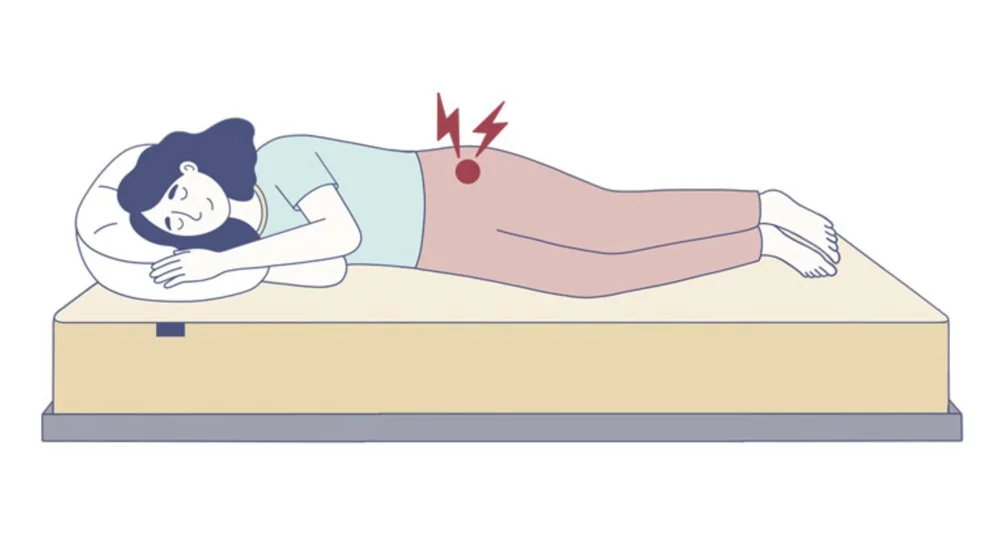
Many men and women in their 40s and 50s notice something frustrating happening at night. They lie down on their side, get comfortable, and after a while their hip starts to ache. The pain may force them to roll to the other side, only for the same thing to happen again later. By morning, their hips feel sore and sleep feels less restful.
At Mountain Movement Chiropractic, this is one of the most common complaints we hear from women in this stage of life. The good news is that this type of hip pain is very common and usually very treatable once you understand why it is happening.
Why Side Sleeping Can Cause Hip Pain
Your hips support a large portion of your body weight when you lie on your side. The outside of the hip contains tendons, muscles, and bursae that help stabilize the joint while you move and rest. When pressure stays on that area for long periods during sleep, the tissues can become irritated.
This is especially true if the hips are already working harder during the day. Walking, climbing stairs, standing for long periods, or even sitting frequently can increase tension around the hip. When nighttime pressure is added, those tissues may respond with soreness or tenderness.
Why This Happens More Often in Men and Women 40 and Over
Hormonal changes, natural shifts in muscle strength, and differences in pelvic structure make us more prone to this type of hip pain. As we age, the muscles that stabilize the pelvis may weaken slightly, while surrounding tendons become more sensitive to load.
If the hips are not moving well or the surrounding muscles are not balancing each other properly, pressure during sleep can trigger irritation. This is why many men and women notice the pain gradually developing over time rather than after a single injury.
What the Pain Usually Feels Like
Side sleeping hip pain often shows up as a deep ache on the outside of the hip. Some women describe tenderness when pressing on the area or discomfort that spreads slightly down the outer thigh. Others notice that the pain is worse after lying on one side for too long or after a busy day of activity.
Rolling over may provide temporary relief, but the discomfort often returns as pressure builds again.
How Chiropractic Care Can Help
Chiropractic care can improve how the hips and pelvis move and distribute pressure. When joints in the spine and pelvis move properly, the muscles around the hips do not have to compensate as much during daily activities or while sleeping.
At Mountain Movement Chiropractic, we evaluate how your hips, pelvis, and lower back move together. Restoring healthy motion in these areas can reduce stress on the outside of the hip and help the surrounding muscles relax. Many patients notice that once movement improves, their ability to sleep comfortably on their side improves as well.
Small Changes That Can Help at Night
Supporting your hips during sleep can also make a big difference. Placing a pillow between your knees helps keep the pelvis aligned and reduces pressure on the top hip. A mattress that is too firm or too soft can also contribute to discomfort, so proper support is important.
Gentle hip movement and light strengthening during the day often help the hips tolerate nighttime pressure better. Consistency with these habits can gradually reduce irritation.
Better Sleep Is Possible
Hip pain when sleeping on your side is extremely common, especially for men and women in their 40s and 50s. Fortunately, it is usually a sign that the hips need better movement and support rather than something seriously wrong.
With the right care and a few simple adjustments, many patients find they can sleep comfortably again and wake up feeling far less stiff.
📍 Mountain Movement Chiropractic – Spearfish, SD
📅 Schedule an Appointment Today!